

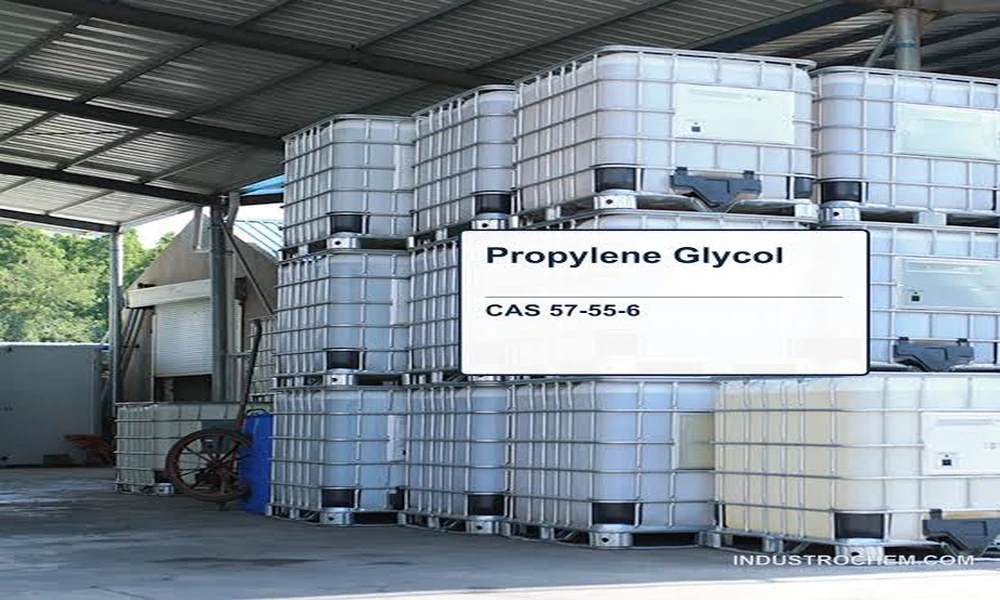
Propylene glycol is a synthetic organic compound whose unique combination of hygroscopicity, low toxicity, solvent capability, and miscibility with water and many organic solvents makes it one of the most versatile chemical intermediates in industrial use. From pharmaceutical formulations and food additives to cosmetics, industrial antifreeze, and polymer chemistry, propylene glycol appears in applications whose scale ranges from laboratory reagent quantities to bulk industrial supply. Understanding the compound’s properties, the different grades available, and what distinguishes quality propylene glycol suppliers and propylene glycol manufacturers helps procurement teams source the right grade for the specific application.
What is propylene glycol and what are its key properties?
Propylene glycol (1,2-propanediol, CAS no 57 55 6, molecular formula C3H8O2, molecular weight 76.09 g/mol) is a clear, colourless, viscous liquid with a faintly sweet taste and virtually no odour. It is produced industrially by the hydration of propylene oxide, derived primarily from petroleum refining or, in the bio-based route, from glycerol as a co-product of biodiesel production.
Key properties that determine propylene glycol’s wide utility:
- Complete miscibility with water and most polar organic solvents, and partial miscibility with many non-polar solvents, which makes it an effective co-solvent in formulations requiring both aqueous and organic solubility
- Low acute oral toxicity relative to ethylene glycol, which has led to the widespread use of propylene glycol in food, pharmaceutical, and cosmetic applications where ethylene glycol would be unacceptable
- Hygroscopicity: propylene glycol absorbs moisture from the atmosphere, which is the basis of its use as a humectant in personal care products and as a moisture-retaining agent in food applications
- Low freezing point depression when dissolved in water, which underlies its application in aircraft de-icing fluids, automotive antifreeze, and the heat transfer fluids of HVAC and refrigeration systems where ethylene glycol toxicity is a concern
- Good solvation of active pharmaceutical ingredients that are insoluble or poorly soluble in water alone, which makes it a standard excipient in liquid pharmaceutical formulations including oral liquids, injectables, and topical preparations
What are the main grades of propylene glycol available?
Propylene glycol suppliers offer the compound across several purity grades whose specification reflects the intended application:
- USP / BP / Ph. Eur. grade: pharmacopoeial grade meeting the requirements of the United States Pharmacopoeia, British Pharmacopoeia, and European Pharmacopoeia for use as a pharmaceutical excipient and direct-contact food ingredient. This grade meets the tight limits on related compounds, heavy metals, and other specified impurities that regulatory filings and pharmacopoeial monographs require. The USP grade designation confirms that the propylene glycol meets USP testing specifications for pharmaceutical use
- FCC grade: meeting the Food Chemicals Codex specification for use as a food additive. FCC grade propylene glycol is used as a humectant, solvent, and carrier in food products, and its safety in food applications is affirmed by GRAS status in the United States
- Cosmetic grade: meeting the specifications of the International Nomenclature of Cosmetic Ingredients (INCI) for use in personal care and cosmetic formulations
- Industrial / technical grade: for antifreeze, hydraulic fluids, industrial solvents, and other non-food, non-pharmaceutical applications where the pharmacopoeial or food grade specifications are not required
What industries use propylene glycol?
The applications of propylene glycol from quality propylene glycol manufacturers span a remarkable range of industries:
- Pharmaceutical: as a solvent and co-solvent for active pharmaceutical ingredients in oral liquid preparations, injectables (up to the accepted parenteral exposure limits), topical formulations, and suppository bases. Propylene glycol’s ability to solubilise both hydrophilic and lipophilic drug substances makes it an essential excipient in complex formulation development
- Food processing: as a humectant in baked goods, confectionery, and processed foods; as a solvent for food-grade flavours and colours; and as a carrier for the packaging of food-contact materials where it is indirectly present
- Personal care and cosmetics: a ubiquitous ingredient in skin care moisturisers, hair care products, deodorants, and pharmaceutical topicals as a humectant, skin conditioner, and delivery vehicle for active ingredients
- Industrial antifreeze and heat transfer: propylene glycol-based antifreeze and heat transfer fluids are used where the toxicity of ethylene glycol is a concern, including food processing plants, breweries, pharmaceutical facilities, and the HVAC systems of buildings where incidental contact with the fluid is possible
- Polymer chemistry: propylene glycol is a diol monomer used in the production of polyester resins including unsaturated polyester for fibreglass composites, and alkyd resins for coatings
What should buyers look for in propylene glycol suppliers in India?
For pharmaceutical and food applications, the most critical sourcing criteria for propylene glycol are the pharmacopoeial or FCC grade certification, the batch certificate of analysis with full impurity profile, and the supplier’s documentation of the manufacturing source and quality system. Lab Chemicals distributors in India and other established laboratory chemical distributors who supply pharmacopoeial grade propylene glycol provide the chain-of-custody documentation and the quality assurance that regulated industry procurement requires.
