

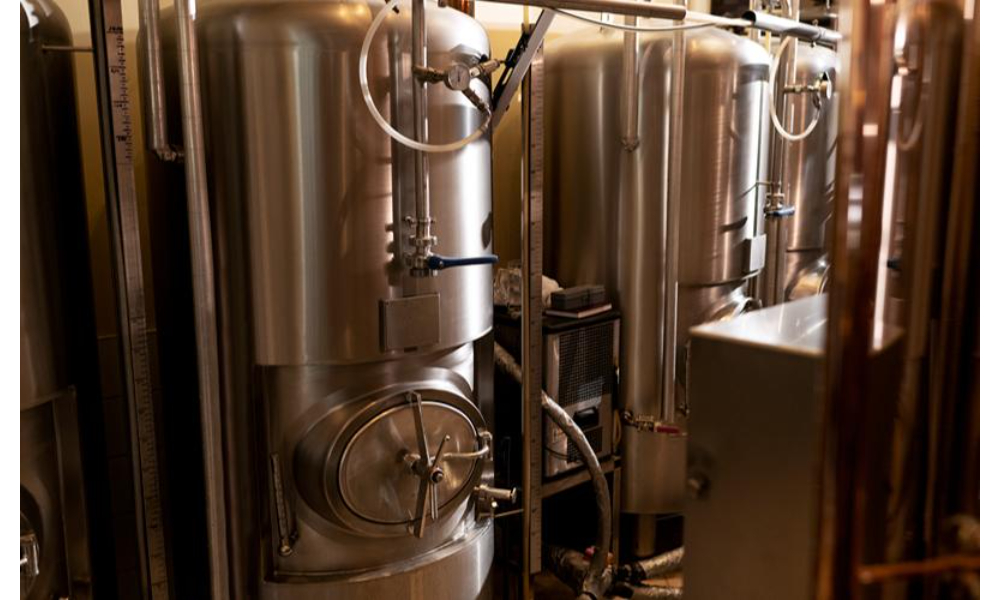
When it comes to managing industrial fluid systems, every small detail matters. That’s
especially true when dealing with pressure tank manufacturers, where a single misstep can
affect efficiency, safety, and long-term reliability. These systems are essential across sectors
like automation, food production, and pharmaceuticals, making it vital to approach the
process with care and insight. Here’s what you should consider before you begin planning or
purchasing.
Do Prioritise Quality Materials and Design Standards
The first step to success lies in choosing manufacturers that meet rigorous safety and design
benchmarks. A pressure tank is only as reliable as the materials used and the engineering
behind it. High-quality stainless steel, precision welding, and compliance with international
standards (such as ASME or ISO) can significantly extend a tank’s service life.
Before committing, always review technical specifications and confirm that your supplier’s
fabrication process meets your requirements. A reputable pressure tank manufacturer
should have clear documentation of testing procedures, certifications, and design
compliance. Neglecting this early check can lead to performance inconsistencies later on.
Don’t Overlook the System Compatibility
Even the most durable tank won’t perform well if it’s mismatched with the rest of your
equipment. This is a common oversight when selecting pressurised tanks. Compatibility
covers everything from size and pressure rating to flow capacity and integration with
automation systems.
Before installation, engineers should assess the full setup and model how the tank will
interact with pumps, sensors, and piping networks. It’s also important to account for
environmental conditions such as temperature fluctuations and exposure to chemicals. Small
discrepancies can lead to pressure instability or contamination, both of which can disrupt
production or damage connected components.
Do Plan Regular Maintenance and Pressure Checks
Preventive care is non-negotiable for any system that relies on stable pressure. Establishing
a clear maintenance routine early helps detect issues before they escalate. This includes
checking for leaks, inspecting valves, and monitoring internal pressure levels.
Working with pressure tank manufacturers who guide upkeep or service intervals can make
this process far smoother. Some even offer tailored maintenance packages that align with
your usage pattern. Keeping detailed maintenance records will not only improve
performance but also support compliance audits and warranty claims later.
Don’t Ignore Installation and Calibration Details
Even the finest pressurised tanks can fail if installation is rushed or calibration is handled
casually. Always involve trained technicians to oversee the process, from setting foundation
supports to verifying sensor accuracy. Incorrect alignment or faulty connections can
compromise safety and reduce system lifespan.
Calibration should also be done using approved instruments that reflect the tank’s operating
range. For facilities with automated systems, integrating pressure sensors and monitoring
software ensures that anomalies are caught before they cause downtime. Treat installation
as part of the engineering design, not a last-minute step before startup.
Do Communicate Clearly with Your Supplier
A transparent working relationship with your manufacturer can save time, cost, and
frustration. Before production begins, ensure that every requirement, from tank capacity to
finish type, is clearly documented. Discuss delivery timelines, testing stages, and emergency
support availability.
Manufacturers appreciate clients who communicate specifications early, as it prevents last-
minute redesigns or compliance issues. This collaboration mindset can also open the door
for tailored solutions that suit your workflow. Remember, an efficient partnership starts with
clarity on both sides.
Conclusion
Success in managing industrial fluid systems depends on more than just the right
equipment. Knowing the right approach matters. By following these essential dos and don’ts
when working with pressure tank manufacturers, you’ll reduce the risk of costly errors and
maintain system integrity over time. From quality checks to communication and
maintenance, every choice contributes to smoother operations and long-term reliability.
Contact Unicontrols to learn more about sourcing and maintaining high-quality pressurised
tanks for your industrial applications.
