

Hydraulic vane pumps work in demanding conditions where pressure levels shift sharply. These pumps push hydraulic oil to operate several mechanical parts. They deliver power to components such as actuators and cylinders. Every hydraulic setup must have a pressure control system that maintains steady operation. This system helps protect the internal parts during high load work. It prevents pressure from rising beyond safe levels. The control keeps the entire system stable and reduces the chance of damage. The https://northernhydraulics.net/hydraulics-shop/hydraulic-pumps/vane-pumps Shows how important pressure control is for stable operation. High pressure can break seals and damage the pump body. It can also harm other parts connected to the system. Proper regulation helps the pump run smoothly and keeps performance steady under different load conditions.
Component protection matters
Unregulated pressure creates destructive forces that tear through pump internals. Vane tips wear rapidly when pressure exceeds design limits. The rotor experiences uneven loading that warps the cam ring. Metal fatigue develops in pressure plates after repeated stress cycles. Relief valves serve as primary protection devices. They open at preset thresholds to dump excess fluid back to the reservoir. This action caps maximum pressure at safe levels. Secondary components like pressure-reducing valves handle localised pressure requirements throughout the system.
Heat generation problems
Excessive pressure forces pumps to work harder than necessary. This extra effort converts into thermal energy that heats the hydraulic fluid. Temperatures climb above acceptable ranges within 15 minutes of sustained overpressure operation. Hot fluid breaks down faster and loses viscosity. Degraded fluid damages every component it contacts. Seals harden and crack. Metal surfaces wear at accelerated rates. Pumps should be replaced after 800 hours instead of 5,000 hours. Fluid properties remain stable at 120-140°F when pressure regulation is in place.
Load variation impacts
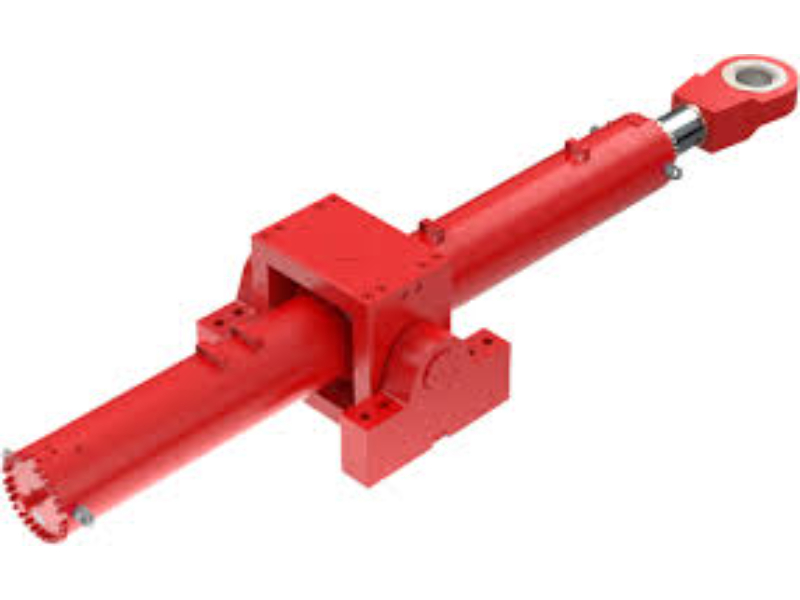
Hydraulic cylinders encounter different resistance levels during work cycles. Extending a cylinder against minimal load requires less pressure than lifting heavy objects. The pump delivers a constant flow regardless of these changing demands. Pressure builds quickly when the cylinder meets resistance. Three scenarios create pressure problems. Dead-heading occurs when the cylinder reaches the stroke end while the pump continues running. Load spikes happen during sudden impacts or mechanical binding. Rapid directional changes cause pressure transients that exceed normal operating levels. Regulation compensates for these variations automatically.
Equipment longevity factors
Vane pumps contain precision-machined components with tight tolerances. Pressure surges force these parts to flex beyond design specifications. Microscopic deformation accumulates over thousands of cycles. The cam ring loses its circular profile. Vanes stick in their slots from distortion. Regulated systems maintain dimensional stability throughout the pump assembly. Components wear evenly at predictable rates. Scheduled maintenance intervals remain accurate. Unexpected failures drop by 70% compared to unregulated installations. The pump reaches its full service life of 10,000 operating hours.
Operational safety requirements
Hydraulic failures pose serious hazards to nearby workers. Burst hoses spray fluid at injection-injury velocities. Ruptured housings release metal fragments. Sudden pressure loss causes cylinders to drop loads unexpectedly. Industrial safety codes mandate pressure protection for these reasons. Pressure regulation satisfies regulatory compliance while protecting personnel. Systems pass inspection requirements without modifications. Insurance premiums stay lower for facilities with proper safeguards. Documentation shows adherence to manufacturer specifications and industry standards.
Pressure regulation stands as non-negotiable for vane pump hydraulic systems. The protection extends to pumps, cylinders, and every component between them. Energy savings justify the investment through reduced operating costs. Equipment lasts longer and fails less frequently. Safety improves for operators and maintenance personnel. Systems perform reliably across the full range of operating conditions.
