

Key Highlights
- Insurers evaluate vehicle age, mileage, and make when determining coverage costs.
- Risk assessment models account for the higher likelihood of mechanical failure in older vehicles.
- Roadside assistance coverage is adjusted based on historical reliability data of specific car models.
- Comprehensive insurance plans often include modular add-ons for older vehicle protection.
- Maintenance history can significantly influence repair coverage premiums and eligibility.
Introduction
Owning a vintage or older vehicle often comes with a distinct sense of satisfaction, yet maintaining such a machine requires a pragmatic approach to protection. As vehicles age, their mechanical components naturally experience wear and tear, which introduces specific variables into the underwriting process for insurers. Understanding how providers price roadside assistance and repair coverage for older vehicles is essential for any owner seeking to balance cost with peace of mind. By examining the methodology behind these insurance calculations, owners can better navigate the options available for reliable coverage. If you are looking for reliable coverage, you may want to research car insurance for used cars in Singapore to suit your needs.
The Underwriting Logic for Older Vehicles
When an insurer assesses a risk profile, they are essentially calculating the probability of a claim. For newer cars, this data is often derived from crash safety ratings and standard repair costs. However, for older vehicles, the equation shifts towards reliability and parts availability. Insurance providers utilise actuarial data to determine the susceptibility of older models to break down.
If you are currently exploring options, you might look into specific car insurance for used cars in Singapore that offers tailored support for older models. The pricing model often incorporates the statistical likelihood of roadside assistance deployment. If a particular model is known for frequent alternator issues or cooling system failures, the premium for that specific policy might be adjusted to reflect those risks.
Factors Influencing Repair Coverage
Repair coverage on older vehicles is rarely a one-size-fits-all product. Insurers must consider the availability of original equipment manufacturer (OEM) parts versus aftermarket alternatives. When a car reaches a certain age, locating authentic parts can become difficult and expensive. Consequently, policies covering repair costs must account for the potential scarcity of these components.
Many insurers, including insurance in Singapore providers, offer modular plans that allow owners to choose levels of cover. For an older vehicle, it may be prudent to opt for a policy that explicitly covers non-wear-and-tear mechanical failures, ensuring that major components like the transmission or engine block are protected against sudden, unexpected breakdowns.
The Role of Maintenance and History
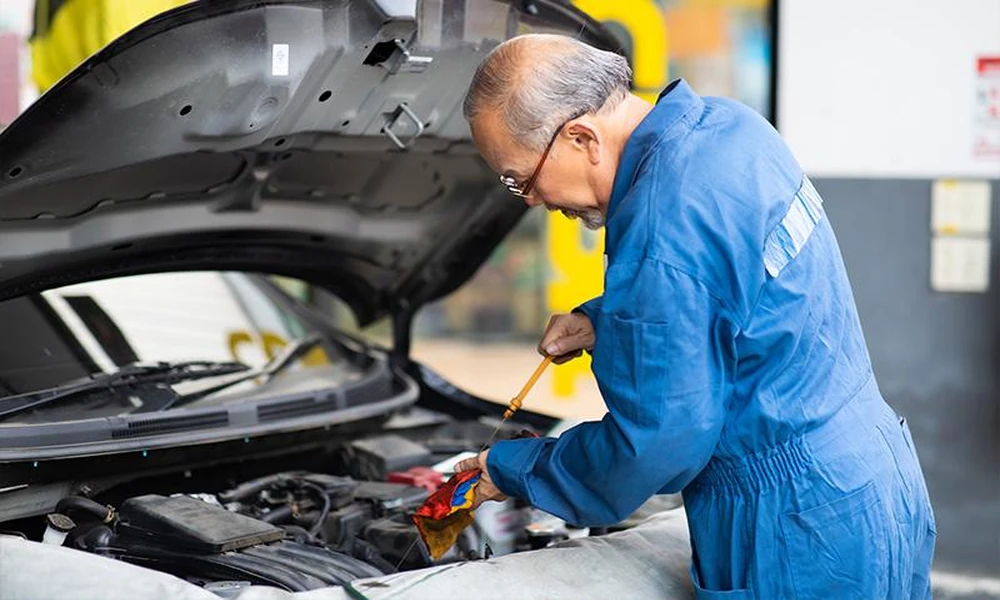
One of the most powerful tools an owner has in lowering insurance premiums for an older vehicle is a documented history of maintenance. Providers are often more willing to offer competitive rates if they can see evidence of regular servicing. This demonstrates that the vehicle has been treated with care, potentially offsetting the inherent risks associated with its age.
When selecting a policy, consider whether the insurer provides access to a network of approved workshops. For older vehicles, having access to mechanics who specialise in legacy models can be the difference between a swift resolution and a protracted repair process. This accessibility is often built into the cost structure of the premium, providing value that extends beyond simple financial compensation.
Balancing Cost and Coverage
Ultimately, the goal is to secure comprehensive protection without overpaying. For owners of older vehicles, the trade-off usually involves a higher deductible or a more restricted list of covered mechanical failures. It is essential to read the policy wording carefully to understand exactly what constitutes an “insured event” versus “normal wear and tear.”
As you evaluate your options, keep in mind that the landscape for coverage is constantly evolving. Modern providers are integrating digital tools that allow for more granular risk assessment, which can benefit owners of well-maintained older vehicles. By engaging with reputable providers and keeping your service records impeccable, you can effectively manage the costs associated with keeping your classic or older car on the road.
Conclusion
Securing the right coverage for an older vehicle requires a nuanced understanding of how risk is assessed. By prioritising regular maintenance and choosing policies that align with the specific needs of an ageing vehicle, owners can ensure their prized possession remains protected against the unforeseen. Being proactive in your research and maintaining open communication with your insurer will always yield the best results for long-term vehicle ownership.
Contact us today at Income Insurance to learn more about how we can provide the right protection for your vehicle with a personalised consultation tailored to your driving needs.
